For many children, "we're going to the doctor" lands somewhere between a rainy birthday and a monster under the bed. The waiting room smells funny, strangers want to look in their ears, and nobody asked their opinion about any of it. A little fear before a sick visit is completely normal, and the good news is that children take their emotional cues from us. With some simple preparation, honest words, and a stuffed animal or two, you can turn a scary appointment into something your child feels genuinely ready for.
Children fear what they cannot predict. Most doctor-visit anxiety is not really about the visit itself - it is about the unknown. When a child knows roughly what will happen, has practiced it in play, and gets to bring a piece of home along, the appointment shrinks from a mystery into a manageable event.
Here is how to prepare your child emotionally for a sick visit, from the conversation at home to the celebration afterward.
🗣️ Talk About It in Simple, Honest Terms
Springing the appointment on a child at the last second feels easier, but it usually backfires. A short, honest heads-up gives your child time to process and ask questions, and it protects their trust in you. The key is to be truthful without being dramatic.
- Tell your child about the visit ahead of time, using a timeframe they understand, like "after lunch."
- Describe what will likely happen in simple steps, like "the doctor will listen to your chest and look in your ears."
- Explain why you are going in comforting terms, like "the doctor's job is to help your body feel better."
- Avoid promising things you cannot control, like "nothing will hurt" - say "some parts might feel funny, and I will be with you the whole time."
- Skip scary or shaming lines like "be brave or else" or using the doctor as a threat.
🧸 Practice with a Stuffed Animal First
Play is how children rehearse life. A five-minute pretend checkup on a teddy bear does more to lower fear than a long explanation, because it lets your child experience the visit from the powerful side of the stethoscope.
- Play doctor at home, letting your child examine a stuffed animal's ears, tummy, and heartbeat.
- Narrate the pretend visit with the same words you will use at the real one.
- Swap roles so your child gets a turn being the patient, with teddy "waiting" alongside.
- Let the stuffed animal model calm behavior, like sitting still and taking deep breaths.
- Bring that same stuffed animal to the appointment so the doctor can "check" it first.
🎒 Pack Comfort for the Waiting Room
Waiting is often the hardest part for little bodies with big feelings. A small comfort kit gives your child something familiar to hold onto and something absorbing to do while the minutes tick by.
- Bring your child's favorite lovey, blanket, or small toy from home.
- Pack one or two quiet activities, like a picture book or a small coloring pad.
- Dress your child in comfortable clothes that are easy to change out of if needed.
- Bring your own notes about symptoms and questions so you are not scrambling to remember details.
❓ Let Your Child Ask the Questions
Curiosity is the opposite of fear. When children are invited to ask questions - of you and of the doctor - they shift from passive patient to active participant, and that sense of agency is calming.
- Invite questions at home with an open prompt, like "What do you wonder about the doctor visit?"
- Answer honestly and simply, and admit when you do not know something.
- Encourage your child to ask the doctor one question themselves, even a silly one.
- Give small choices where you can, like which arm for the blood pressure cuff or who holds teddy.
😌 Your Calm Is Contagious
Children read our faces and voices far more than our words. If you are tense, rushed, or dreading the visit, your child will borrow that feeling. A calm parent is the single most reassuring thing in the exam room.
- Give yourself extra time so the trip does not start with rushing and stress.
- Keep your voice slow and matter-of-fact when talking about the visit.
- Stay physically close during the exam, offering a lap or a hand to hold.
- Take a slow breath yourself before walking in - your child will notice.
- Save your own worries and detailed questions for the doctor, phrased calmly, with your child present only as appropriate.
🎉 Celebrate the Bravery Afterward
What happens after the visit shapes how your child feels about the next one. Ending on a note of pride and connection teaches your child that they can do hard things, and that doctor visits are survivable - even okay.
- Praise specific brave moments, like "You sat so still while the doctor listened to your heart."
- Acknowledge the hard parts honestly, like "That part was not fun, and you got through it."
- Follow up with a small, comforting ritual, like a favorite snack, a park stop, or extra story time.
- Retell the story later with your child as the hero, so the memory settles as a win.
✅ Quick Action Plan
- Tell your child about the visit today, in one or two simple honest sentences.
- Spend five minutes playing doctor with a stuffed animal before the appointment.
- Pack a small comfort bag with a lovey and one quiet activity.
- Invite your child to think of one question to ask the doctor.
- Plan a small after-visit ritual to celebrate their bravery.
This article is for educational purposes only and is not medical advice. Always consult your pediatrician or a qualified healthcare professional with any questions about your child's health, symptoms, or care, and seek urgent care right away for any emergency or warning signs.
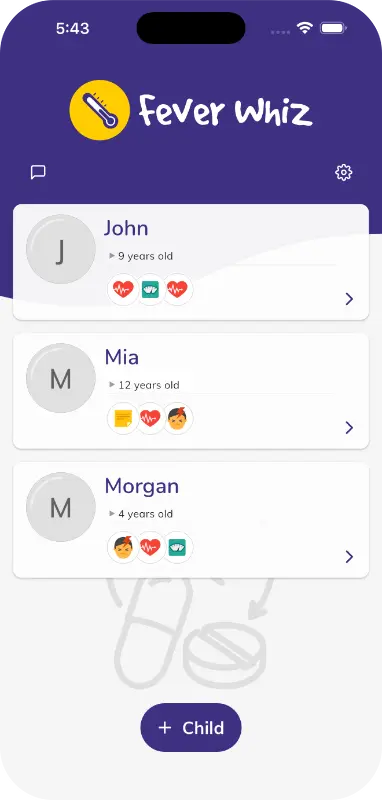
One more way to walk into that appointment feeling calm: have your child's whole story in your pocket. Fever Whiz lets you log temperatures, symptoms, and medications as they happen, visualize trends, and keep notes and documents in one place, so you can answer the doctor's questions with confidence instead of guesswork. It even syncs in real time with everyone caring for your child, so the whole care team walks in prepared.