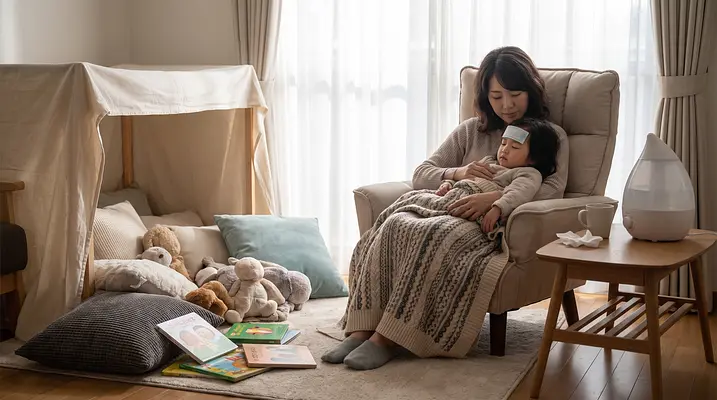
There is a particular kind of quiet that settles over a house when a little one is under the weather. The usual bouncing and chatter give way to heavy eyes, a warm forehead pressed against your shoulder, and a small voice asking you to stay close. In those moments, one of the most powerful things you can offer is not found in the medicine cabinet at all - it is comfort.
Children take their emotional cues from their surroundings. A space that feels soft, familiar, and calm tells a sick child that they are safe, that someone is taking care of them, and that resting is exactly what they are supposed to be doing. That is the whole idea behind the cozy corner: a simple recovery nest, built from things you already own, that turns a miserable day into a snuggly one.
You do not need a Pinterest-worthy setup or a shopping trip to make this happen. A pile of blankets, a basket of quiet favorites, and a parent who is nearby but not hovering will do more for your little one's spirits than anything you could buy. Here is how to put it all together.
🛏️ Build the Nest
Start with the foundation: a soft, contained spot where your child can settle in for the long haul. The couch corner, a reading nook, or their own bed all work - what matters is that it feels intentional, like a special place made just for them.
- Layer a fitted sheet or washable blanket underneath so cleanup is easy if the day gets messy.
- Pile on familiar pillows and a favorite comforter rather than reaching for anything brand new.
- Add the most-loved stuffed animal or lovey front and center as chief comfort officer.
- Position the nest where your child can see or hear you as you move through the house.
- Keep a laundry basket or bin nearby for used tissues and cast-off layers.
📚 Stock It With Quiet Favorites
A sick child does not have the energy for big play, but boredom makes everything feel worse. A small, curated basket of low-key entertainment keeps little hands busy and little minds gently occupied without ramping them up when they need rest.
- Gather a short stack of well-loved picture books plus one or two "special occasion" titles.
- Add quiet toys like a soft doll, a small car, sticker pads, or a squishy fidget.
- Queue up an audiobook, gentle playlist, or calm show for stretches when eyes are too tired for pages.
- Include a simple drawing pad and chunky crayons for slow, cozy scribbling.
- Swap the basket's contents at nap time so the afternoon feels fresh without any effort.
💡 Soften the Light and Sound
Bright overhead lights and household noise can feel harsh to a child who is achy and tired. Dialing down the sensory volume of the room helps your little one drift between rest and play without getting overstimulated.
- Close the blinds partway and rely on a lamp or nightlight instead of overhead lighting.
- Play soft background music, white noise, or nature sounds at a low volume.
- Ask siblings to use their inside-inside voices near the cozy corner.
- Silence non-essential phone notifications so the room stays peaceful.
- Let natural dimness in the late afternoon signal that sleep is welcome anytime.
🧃 Keep Supplies Within Arm's Reach
Nothing unravels a peaceful setup faster than fifteen trips across the house for tissues, water, and a forgotten thermometer. A small tray or caddy next to the nest keeps everything handy, so neither of you has to leave the cozy bubble.
- Stock a caddy with tissues, wipes, a water bottle or sippy cup, and lip balm.
- Keep the thermometer and a notepad nearby so you can check in and jot observations without a scavenger hunt.
- Add an extra set of pajamas and a spare blanket for quick changes.
- Place a small trash bin or bag within tossing distance.
- Keep easy sips and light snacks close, following whatever guidance your pediatrician has given you.
🫖 Lean Into Comfort Rituals
Small rituals are the heartbeat of a good sick day. Repeated, predictable moments of care tell your child that everything is under control, and years from now those little touches are what they will remember about being sick at home.
- Bring drinks in a "special" cup that only appears on sick days.
- Read the same favorite book at rest times so the day has familiar anchors.
- Offer a cool washcloth for the forehead or a gentle back rub as a soothing check-in.
- Tuck them in with the same phrase each time, like "rest up, little bear."
- Mark small wins together, like finishing a story or a good long nap, with a sticker or a high five.
🪑 Be Present Without Hovering
Your child needs to feel your presence more than they need constant fussing. Hovering can accidentally signal that something is wrong, while calm, nearby company says the opposite. Think of yourself as the lighthouse: steady, visible, and reassuring.
- Settle into a chair nearby with your book or laptop so your child can see you without needing to call out.
- Check in at predictable intervals rather than every few minutes.
- Follow their lead, offering snuggles when they reach for you and space when they drift off.
- Resist narrating every symptom out loud, and jot your observations down quietly instead.
- Save your worried face for another room, and bring your calm one to the cozy corner.
✅ Quick Action Plan
- Pick one spot and build a simple nest with familiar blankets and pillows.
- Fill a basket with a few quiet books, toys, and an audiobook option.
- Dim the lights and turn down household noise near the resting spot.
- Assemble a supply caddy so everything you need is within arm's reach.
- Choose one or two small comfort rituals and repeat them through the day.
- Station yourself nearby and check in calmly at predictable intervals.
This post is for educational purposes only and is not medical advice. Always consult your pediatrician or a qualified healthcare professional with any questions about your child's health, symptoms, medications, or treatment, and seek urgent care right away for any emergency or warning signs.
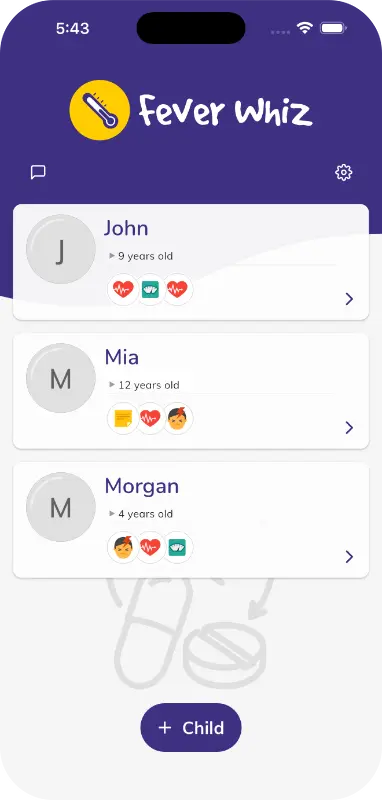
While your little one rests in their cozy corner, Fever Whiz can be your quiet helper in the background. This free app makes it easy to log temperatures, medications, and symptoms, set gentle reminders, spot trends with simple charts, and share a real-time care timeline with everyone who helps care for your child. It keeps the details organized so you can stay focused on what matters most: the snuggles.