If you have ever left the pediatrician’s office feeling a mix of relief and sudden brain fog, you are certainly not alone. It is incredibly common to walk out with a prescription paper in hand, only to realize five minutes later that you cannot quite remember the specific instructions for the nasal spray or exactly when the doctor said to call back. When we are worried about our children, our brains prioritize emotion and protection, which can sometimes make retaining a long list of clinical details difficult. The good news is that with a few simple habits, you can capture the important information you need to care for your little one with confidence.
🧠 The Parking Lot Moment
The transition from the exam room to the checkout desk—what we might call the "parking lot moment"—is often where our memory starts to get a little fuzzy. This is the critical time to pause and solidify what you just heard before you gather your things and head to the car.
- Pause before you leave the exam room to ask the nurse or doctor to repeat the key takeaways one last time.
- Write down the "red flags" or specific reasons the doctor said you should call back or seek urgent care.
- Ask for a printed visit summary if one is available, as this often includes diagnosis names and follow-up dates.
- Clarify any medical terms you didn't quite catch so you can Google them accurately later if you need to.
📝 Capturing the Details
You don't need a perfect transcript of the visit, but having a structured place to jot down notes makes a world of difference. Focus on capturing the "who, what, and when" of the care plan so you don't have to rely on your memory later in the night.
- Record the exact time and date of the appointment in your notes or app for future reference.
- List the specific symptoms the doctor observed during the exam so you can compare them to how your child looks tomorrow.
- Note the names of any tests performed and when you should expect results from the lab or office.
- Write down any follow-up instructions, such as "return in 3 days" or "schedule a hearing test in two weeks."
🗣️ Sharing with Your Village
If you co-parent or rely on grandparents, nannies, or friends for help, clear communication is essential to keeping everyone on the same page. When you are tired, trying to verbally explain a complex care plan to a partner can lead to misunderstandings, so aim for a system that allows you to share the facts without repeating yourself.
- Send a quick text or voice note to your co-caregivers with the top three bullet points from the visit as soon as you are back in your car.
- Use a shared digital log or app so everyone can see the care plan and notes in real time.
- Highlight the specific warning signs the doctor mentioned so every caregiver knows exactly when to call the doctor.
- Keep a physical copy of the visit notes on the fridge or in a designated folder for babysitters or family members.
📅 Tracking the Recovery at Home
The real work often begins after you leave the doctor’s office, especially if you are managing a fever or watching for symptoms to improve. Having a clear record of how your child is doing hour-by-hour gives you confidence and provides valuable data if you need to call the doctor again.
- Log the time and result of every temperature check to see the trend clearly.
- Note exactly when medication was given to avoid double-dosing or missing a scheduled time.
- Track fluid intake and output (wet diapers or bathroom trips) to monitor hydration levels.
- Write a brief sentence at the end of each day describing how your child seemed overall, such as "more energy today" or "slept better last night."
🧘 Giving Yourself Grace
Parenting a sick child is exhausting work, and trying to be a perfect medical scribe on top of it can feel overwhelming. Remember that your primary job is to offer comfort and love, and that keeping records is just a tool to help you do that—not another item on a to-do list to stress over.
- Accept that your notes do not need to be perfectly neat or spelled correctly to be useful.
- Ask a partner or friend to help with the logging if you are feeling overwhelmed or sleep-deprived.
- Take a moment to breathe and center yourself before you start writing down the details.
- Celebrate the small wins, like a successful nap or a finished bottle, rather than focusing only on the illness.
Conclusion
Navigating a sick visit can leave you feeling drained, but having a clear record of the pediatrician’s advice allows you to rest a little easier. By capturing the details while they are fresh and sharing the load with your support system, you are ensuring that your child gets the consistent, safe care they need to get back to being their happy, healthy self. You are doing a wonderful job advocating for your child, and a little organization can go a long way in lightening your mental load.
⚡ Quick Action Plan
- Grab a notebook or download a tracking app before your next appointment starts.
- Ask the doctor to repeat the top three instructions before you leave the room.
- Write down the specific "call back" symptoms immediately after the visit.
- Send a summary text to your co-caregivers so everyone is on the same page.
- Set a reminder to log your child’s temperature and medication doses for the next 24 hours.
Disclaimer: This content is for general educational and informational purposes only and does not constitute medical advice, diagnosis, or treatment. Fever Whiz is not a medical device. Always consult a qualified pediatrician or healthcare professional for any medical questions, symptoms, dosing instructions, or treatment decisions, and seek urgent care immediately for any emergencies or warning signs.
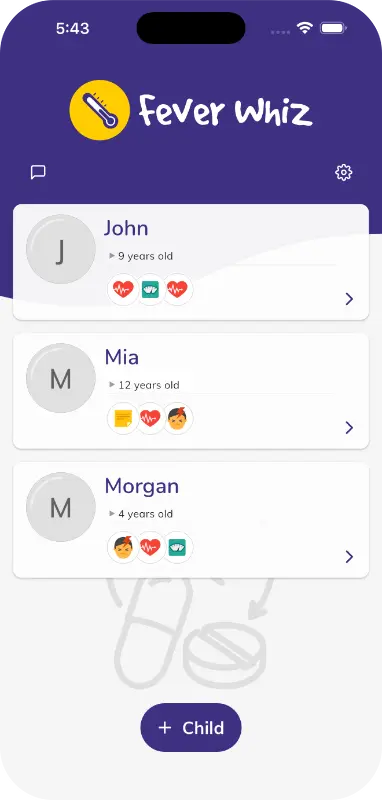
Suggestion: Consider using the Fever Whiz app to help you stay organized during these stressful times. It helps parents and caregivers log medications, temperatures, and symptoms, set custom reminders, visualize trends with charts, store medical documents, and share a real-time care timeline with everyone caring for your child.