There is a special kind of quiet that falls over a house when a child gets sick, especially when you are the only one there to hear it. Between the coughing, the crying, and the restless naps, the hours can stretch on endlessly. It’s easy to feel overwhelmed when you don’t have a partner to tag in for the morning shift or to run to the pharmacy for you. But even on the hardest days, you have more inner strength and resources than you might realize. With a little planning and a lot of grace for yourself, you can navigate this day and get everyone safely to the other side.
Taking a Deep Breath and Assessing the Situation
When you realize the day is going to be dedicated to caregiving, pause for a moment before the adrenaline kicks in. A calm start helps you make better decisions and sets a soothing tone for your child, who looks to you for cues on how to feel safe.
- Take three slow, deep breaths to ground yourself before checking on your child.
- Observe your child’s general demeanor, energy level, and color without immediately reaching for a thermometer.
- Trust your parental instincts if something feels "off" or different than usual illnesses.
- Contact your pediatrician’s office early if you have specific concerns or need guidance on whether to bring your child in.
Setting Up a "Sick Day Station"
Conserving your energy is key when you don’t have backup. Instead of running back and forth across the house, create a centralized hub where you and your child can stay comfortable for most of the day.
- Choose a spot in the living room or bedroom where you can rest together.
- Gather essential supplies like tissues, a waste bin, water bottles, and a digital thermometer.
- Keep a phone charger within arm’s reach so you aren’t scrambling for power later.
- Stock a small cooler or insulated bag with snacks and drinks to minimize trips to the kitchen.
- Place a few quiet activities nearby, such as coloring books or favorite stuffed animals, to comfort your child.
Staying Organized in the Fog
When you are exhausted and managing symptoms, it is incredibly easy to lose track of time. You might find yourself wondering, "Did I already give them something for the fever?" or "When did they last drink water?" Writing things down clears your mental load and prevents errors.
- Use a notebook or a smartphone app to log every temperature reading and the exact time it was taken.
- Record every dose of medication given, including the time and the specific amount.
- Note what symptoms appear and when they change, such as a cough worsening or a rash appearing.
- Set alarms on your phone to remind yourself of upcoming dose times or fluid intake goals.
- Keep your log handy so you can read it quickly to a nurse or doctor over the phone.
Preparing for the Pediatrician Visit
If you decide to call the doctor or head to the clinic, a little preparation goes a long way. Medical professionals appreciate precise information, and having your notes organized helps you advocate for your child clearly.
- Write down a brief summary of your child’s illness timeline before you call or leave the house.
- List any specific questions you want to ask so you don’t forget them during the stress of the appointment.
- Have your insurance card and any relevant medical history or allergy lists ready to grab at a moment's notice.
- Pack a "go-bag" with a change of clothes, diapers, and a comfort toy to keep your child calm in the waiting room.
Comforting Your Child at Home
Most sick days are spent at home, where your presence is the best medicine. Your goal isn't to fix everything instantly but to provide a safe, comforting environment where your child can rest and recover.
- Offer fluids frequently in small amounts to keep them hydrated.
- Dim the lights and keep the noise level low to encourage sleep.
- Use gentle touch, such as rubbing their back or holding their hand, to provide reassurance.
- Read favorite stories or play soft music to distract them from discomfort.
- Dress them in loose, comfortable clothing to help regulate their body temperature.
Looking After Yourself
You cannot pour from an empty cup, and surviving a solo sick day requires you to function, too. It might feel selfish to focus on your needs when your child is unwell, but self-care is actually a survival strategy.
- Drink water every time you offer your child a drink to stay hydrated.
- Eat simple, nourishing meals even if you don’t have a big appetite.
- Rest whenever your child rests, rather than using nap time to catch up on chores.
- Text a friend or family member to let them know you are having a tough day and might need a check-in later.
- Lower your expectations for household cleanliness and productivity for the next 24 hours.
The Importance of a Care Team
Even if you are physically the only adult in the house, you don’t have to carry the mental load alone. If a partner, grandparent, or co-parent is involved in your child’s life, keeping them in the loop reduces anxiety for everyone.
- Send brief updates at set times rather than texting constantly throughout the day.
- Share your logs or notes so others can see the facts and understand the severity of the situation.
- Ask a friend or neighbor to drop off supplies at your doorstep if you run out of essentials.
- Delegate tasks like calling the pharmacy or scheduling appointments to someone else if possible.
Disclaimer: This content is for educational and informational purposes only and is not a substitute for professional medical advice, diagnosis, or treatment. Always consult your pediatrician or a qualified healthcare professional regarding any medical questions, symptoms, or treatment decisions. Never disregard professional medical advice or delay in seeking it because of something you have read here. If you think you may have a medical emergency, call your doctor or emergency services immediately.
Quick Action Plan
- Pause and take three deep breaths to center yourself before the day begins.
- Set up a central "sick day station" with all necessary supplies and comfort items.
- Start a log immediately to track temperatures, symptoms, and medication times.
- Set phone alarms for medication doses and fluid intake reminders.
- Contact your pediatrician’s office if you have concerns or need professional guidance.
- Rest when your child rests to preserve your energy for the long haul.
A Tool to Help You Stay on Track
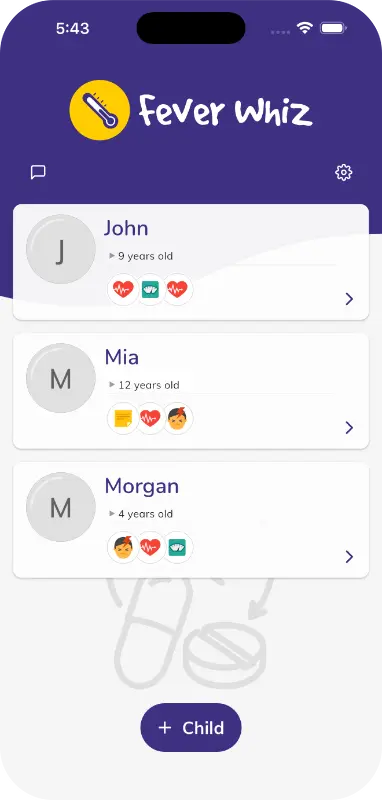
When you are flying solo, the last thing you need is the mental math of trying to remember when the last dose was or how high the fever spiked three hours ago. The Fever Whiz app is a free tool designed specifically for these moments. You can log every dose, temperature, and symptom, set custom reminders so you never miss a time, and visualize trends with easy-to-read charts. It also lets you store important medical documents and syncs in real-time, so if you do have a partner or family member checking in, everyone is on the same page. It is a private record-keeping tool to help you stay organized when it matters most.