The house is finally quiet, but not in the heavy, worried way it has been for the past few days. The fever has broken, the appetite is slowly returning, and the pile of laundry is shrinking. Coming out the other side of a sick spell brings a huge wave of relief, but it can also feel surprisingly overwhelming. You might be eager to get back to "normal," yet find that your child is still a little clingy, or that your own energy reserves are completely depleted. That is entirely normal, and it is okay to take your time finding your new rhythm.
Recovery isn't just about the physical symptoms disappearing; it’s about the whole family resetting their internal clocks and emotional baselines. There is often a transition period where everyone is a little off-kilter, trying to remember what the daily schedule looked like before the thermometer became the centerpiece of the room. Be gentle with yourselves as you navigate this bridge back to everyday life.
🕰️ Adjusting Sleep Schedules
Sleep patterns often get completely turned upside down during illness, with middle-of-the-night wakings and long daytime naps becoming the new norm. Getting back on track doesn't require a sudden hard reset, but rather a gradual shift back to your usual timings.
- Move bedtime back by 15-minute increments each night until you reach your target time.
- Keep the morning wake-up time consistent to help reset your child’s internal body clock.
- Allow for a slightly longer wind-down routine to help your child feel secure and relaxed.
- Expect some extra night wakings for a few days as your little one readjusts.
🍲 Easing Back Into Eating
Appetites are notoriously tricky during and immediately after sickness, and tummies can be a little sensitive. Focus on hydration and simple foods first, rather than worrying about a perfectly balanced meal right away.
- Offer small, frequent snacks instead of pressuring your child to eat three big meals.
- Prioritize hydration by offering water or electrolyte solutions throughout the day.
- Start with bland, easy-to-digest foods before reintroducing richer or spicy meals.
- Let your child listen to their own hunger cues without forcing them to finish their plate.
🧸 Managing Emotional Hangovers
Even after the physical symptoms are gone, children often experience an "emotional hangover," resulting in clinginess, tantrums, or regression. This is a natural response to the stress their body has been through, and they need extra reassurance that they are safe.
- Offer plenty of physical affection and cuddles to rebuild their sense of security.
- Validate their feelings by acknowledging that it’s hard to feel sick and then feel better.
- Maintain a calm environment to prevent overstimulation as their energy returns.
- Be patient with regression, such as thumb-sucking or baby talk, as it is usually temporary.
📝 Organizing Your Records
Now that the acute phase of the illness has passed, it is the perfect time to organize the notes you likely scribbled on scraps of paper or kept in your head. Having a clear record of what happened, when symptoms started, and how often medication was given is incredibly helpful for future reference or follow-up appointments.
- Transcribe any handwritten notes into a central digital log so they are legible and safe.
- Record the dates and times of key symptoms or temperature spikes to create a clear timeline.
- Note any adverse reactions or specific preferences your child had during the sick spell.
- Save any discharge papers or prescription instructions in a dedicated folder for easy access.
🤝 Preparing for Follow-Up
If you have a check-in appointment with your pediatrician or simply want to be prepared for the next time a bug hits, organization is key. A clear summary of the illness helps your doctor provide the best care and gives you peace of mind.
- Bring your symptom logs and temperature history to share with your pediatrician.
- Write down any questions you forgot to ask during the height of the illness.
- Update your child’s health file with any new allergies or sensitivities discovered.
- Confirm current medication dosing guidelines with your pharmacist or pediatrician.
🧘 Caregiver Recovery
It is all too easy to forget that the caregivers need recovery time just as much as the child does. You have likely been running on adrenaline and coffee, and now is the time to refill your own cup so you can continue to be present for your family.
- Schedule a short break for yourself, even if it is just a quiet cup of tea or a shower.
- Ask a partner or family member to take over bedtime duty for one night to let you rest.
- Hydrate and nourish yourself, remembering that you likely skipped meals while caring for others.
- Acknowledge the stress you were under and give yourself credit for getting through it.
🌟 Quick Action Plan
- Reset your child's sleep schedule by shifting bedtime by 15 minutes each night.
- Focus on hydration first, offering small sips of water or electrolyte solutions frequently.
- Transcribe all your scribbled notes into a central log to create a clear health timeline.
- Schedule a small window of "me-time" today to rest and recharge your own batteries.
- Pack away the sick-day supplies to signal to the family that wellness has returned.
Bringing the family back to full speed is a marathon, not a sprint. There will be good days and maybe a few sluggish mornings, but with patience and a little organization, you will find your groove again. Trust your instincts, lean on your support system, and remember that the most important thing is that you are all together and on the mend.
Disclaimer: Fever Whiz is NOT a medical device. This content is for general educational and informational purposes only and is not a substitute for professional medical advice, diagnosis, or treatment. Always consult your pediatrician or a qualified healthcare professional with any questions you may have regarding a medical condition or the health of your child. Never disregard professional medical advice or delay in seeking it because of something you have read here.
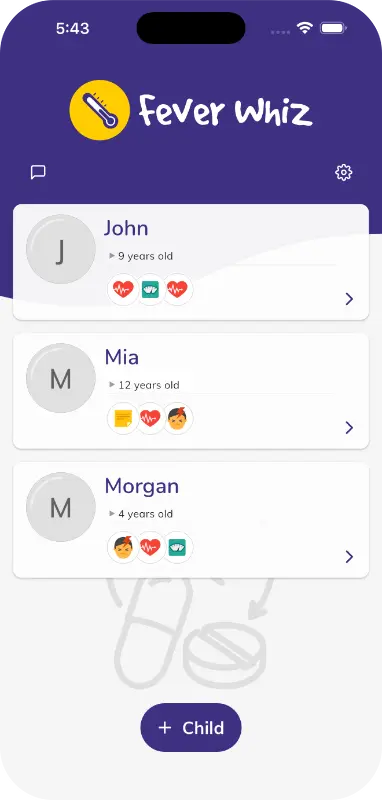
If you found keeping track of temperatures and medication doses during this sick spell stressful, consider downloading the Fever Whiz app. It helps parents and caregivers log medications, temperatures, and symptoms, set custom reminders, visualize trends with charts, store important medical documents, and share a real-time care timeline with everyone caring for your child. It’s a free, private tool designed to bring you peace of mind.